Discovering mold under the flooring of your house can be a distressing experience for any homeowner. It's not just an aesthetic issue; it poses serious health risks and can compromise the structural integrity of your home.
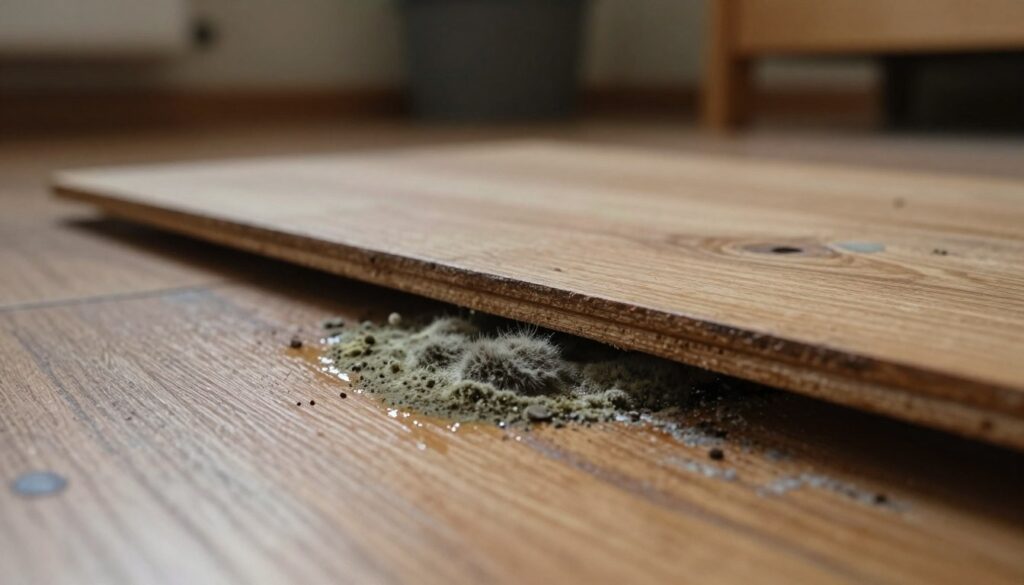
you often overlook the dangers of mold growth beneath their floors until it's too late. Recognizing the signs of mold early on is crucial to preventing its spread and mitigating its risks.
This article will guide you through the mold risks associated with flooring, how to identify them, and most importantly, how to fix the issue effectively.
Key Takeaways
- Understanding the risks associated with mold under flooring.
- Identifying the common signs of mold growth.
- Learning effective methods to fix mold issues.
- Preventing future mold growth under flooring.
- Maintaining a healthy indoor environment.
The Hidden Danger of Moisture and Mold
Moisture that accumulates under flooring can lead to a host of issues, including mold proliferation. This hidden danger can lead to significant problems if not addressed promptly.
How Moisture Accumulates Under Floors
Moisture accumulation under floors often results from water leaks, poor ventilation, and high humidity levels. Living in Eastern North Carolina, we know all about humidity and flooding of Tar River. When water seeps into the subfloor, it creates an ideal environment for mold to grow.
According to the EPA, moisture is the most critical factor in mold growth. So, controlling moisture is key to preventing mold.
Common Types of Household Mold
Let’s nerd out a bit. There are several types of mold that can be found in a home, including Aspergillus, Cladosporium, and Stachybotrys chartarum (black mold). Each type has distinct characteristics and health implications.
| Mold Type | Common Locations | Health Risks |
| Aspergillus | Damp surfaces, soil | Allergic reactions, respiratory issues |
| Cladosporium | Fabrics, carpets, wood | Allergic reactions, asthma |
| Stachybotrys chartarum | High-moisture areas, water-damaged materials | Respiratory issues, neurological problems |
Understanding the types of mold and their habitats can help you take proactive steps to prevent mold growth.
Recognize the Signs of Mold Under the Flooring
Recognizing the early warning signs of mold under the flooring can save you from costly repairs. Mold growth often begins silently, making it essential to be vigilant about the indicators that suggest its presence.
Visual Indicators of Hidden Mold
Visual signs can be a crucial first step in detecting mold. Look for discoloration or staining on floors, walls, and ceilings. These stains can appear as black spots, greenish patches, or white powdery areas. Check for warped or buckled flooring, as this can indicate moisture accumulation beneath the surface.
Distinctive Odors and Air Quality Changes
A musty or damp smell is often one of the first noticeable signs of mold. This odor can be persistent and get worse over time. Also, mold can cause air quality issues, leading to increased allergy symptoms or respiratory problems among occupants.
- Musty odors in specific areas of the home
- Increased allergy symptoms
- Respiratory issues without an apparent cause
Structural and Appearance Changes in Flooring
Mold can cause significant changes to the structure and appearance of flooring. Check for soft spots or unevenness in the floor, as these can be signs of underlying mold growth. Cracking or peeling of flooring materials can also indicate moisture damage.
- Inspect for soft spots or uneven flooring
- Check for cracking or peeling of flooring materials
- Monitor for changes in flooring appearance over time
Health Risks Associated with Mold Exposure
Exposure to mold can have serious health implications, ranging from mild allergic reactions to severe respiratory issues. Mold spores are ubiquitous and can be found both indoors and outdoors. When mold grows indoors, it can lead to health problems, especially for individuals with weakened immune systems or pre-existing respiratory conditions.
Immediate Symptoms and Allergic Reactions
Mold exposure can trigger immediate symptoms such as sneezing, coughing, and itchy eyes. People with mold allergies may experience more severe reactions, including nasal congestion and skin irritation. In some cases, mold exposure can exacerbate existing respiratory conditions like asthma.
Chronic Health Concerns from Prolonged Exposure
Prolonged exposure to mold can lead to chronic health concerns, including persistent respiratory issues and potentially neurological problems. Some studies suggest a link between long-term mold exposure and conditions such as chronic fatigue syndrome and depression. It's crucial to address mold issues promptly to mitigate these risks.
| Health Risk | Immediate Symptoms | Chronic Concerns |
| Allergic Reactions | Sneezing, itchy eyes | Respiratory issues |
| Respiratory Problems | Coughing, nasal congestion | Asthma exacerbation |
| Neurological Issues | Headaches | Chronic fatigue, depression |
How Mold Under Flooring Affects Different Materials
Mold under flooring can have devastating effects on various types of flooring materials, compromising both their integrity and appearance. The impact of mold growth varies depending on the material, with some being more susceptible to damage than others.
Carpet and Padding Vulnerabilities
Carpet and padding are particularly vulnerable to mold damage due to their absorbent nature. When moisture accumulates, it creates an ideal environment for mold growth, which can lead to discoloration, musty odors, and deterioration of the carpet fibers. Regular inspection and prompt drying after spills are crucial to prevent mold from taking hold.
Hardwood Flooring Damage Patterns
Hardwood flooring can also be affected by mold under flooring, although it's less prone to moisture absorption compared to carpet. However, prolonged exposure to moisture can cause warping, buckling, and discoloration of the wood. It's essential to address any water leaks or condensation issues promptly to protect hardwood floors.
Laminate and Vinyl Flooring Issues
Laminate and vinyl flooring, while more resistant to moisture than carpet, are not immune to mold damage. Mold can grow under the flooring, particularly if there's a significant moisture issue. This can lead to lifting or separation of the flooring material from the subfloor. Ensuring a proper barrier between the subfloor and the flooring material is key to preventing such issues.
Tile, Grout, and Subfloor Concerns
Tile, grout, and the subfloor beneath are also susceptible to mold damage. Mold can grow in the grout lines, causing discoloration and deterioration. Moreover, if the subfloor is not properly sealed or if it's damaged, moisture can seep underneath, creating an environment conducive to mold growth. Regular cleaning and maintenance of grout lines, along with ensuring the subfloor is dry and well-ventilated, are critical preventive measures.
As highlighted by experts, "Mold prevention is key to maintaining the integrity of your flooring. Regular inspections and prompt action can save you from costly repairs down the line." By understanding how different flooring materials react to mold, you can take proactive steps to protect their investment and maintain a healthy indoor environment.
Inspection Methods to Detect Mold Under Flooring
Mold under the flooring can be a hidden problem, but there are effective methods to detect it. you have two primary options: using DIY detection techniques and tools or hiring professional inspection services that utilize advanced technology.
DIY Detection Techniques and Tools
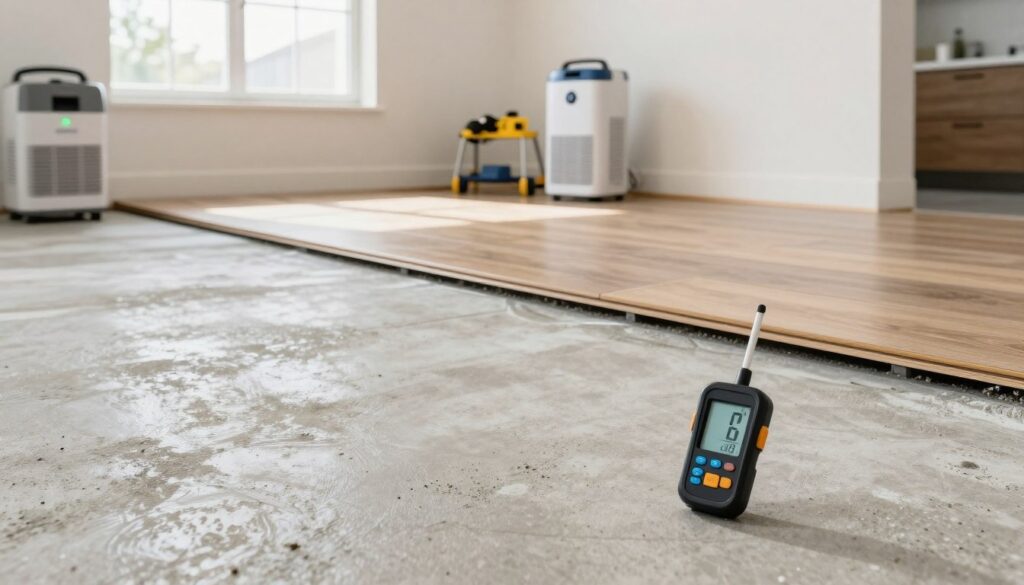
For those who prefer to investigate mold issues themselves, several DIY techniques and tools are available. Visual inspections are a good starting point, looking for signs of water damage, discoloration, or warping of flooring materials. Moisture meters can help identify areas with high humidity levels, which are conducive to mold growth. Additionally, using a flashlight and a mirror can help inspect hard-to-reach areas under the flooring.
Key DIY tools include: moisture meters, flashlights, and mirrors. These tools can help in the preliminary assessment of mold presence under flooring.
Professional Inspection Services and Technology
When DIY methods are inconclusive or the issue seems extensive, professional inspection services become necessary. These professionals use advanced technology, including infrared cameras to detect temperature differences that may indicate moisture presence, and specialized equipment to sample air and surfaces for mold spores.
Professional inspectors can provide a detailed assessment of the mold situation, including the extent of the infestation and recommendations for remediation. Their expertise is invaluable in complex cases where mold is deeply embedded or widespread.
Preventing Mold Under Flooring: Proactive Strategies
you can take several proactive steps to prevent mold from developing under their flooring. By understanding and implementing effective prevention methods, you can avoid the costly consequences of mold infestation and maintain a healthy living environment.
Effective Moisture Control Methods
Controlling moisture is the first line of defense against mold growth. This can be achieved by ensuring proper drainage around the home, fixing leaks promptly, and using a dehumidifier in humid areas. Regularly inspecting for and addressing moisture issues can significantly reduce the risk of mold.
Proper Ventilation and Humidity Management
Adequate ventilation is crucial for managing humidity levels within the home. Ensuring that bathrooms, kitchens, and laundry rooms are well-ventilated can help prevent moisture buildup. Using exhaust fans and opening windows when possible can also contribute to a drier environment, less conducive to mold growth.
Waterproofing Techniques for Vulnerable Areas
Applying waterproofing techniques to vulnerable areas such as basements, crawl spaces, and around windows can help prevent water intrusion. Using waterproof membranes and coatings can protect these areas from moisture.
Mold-Resistant Materials and Treatments
Using mold-resistant materials and treatments can provide an additional layer of protection. Many building materials are now available with mold-resistant properties, including drywall, paint, and flooring materials. Treating surfaces with mold-resistant coatings can further enhance their durability against mold.
By implementing these proactive strategies, you can significantly reduce the risk of mold under your flooring, ensuring a healthier and more durable home environment.
DIY Mold Remediation Techniques
When mold starts growing under your flooring, it's essential to act quickly with the right DIY mold remediation techniques. Mold can cause significant health issues and damage to your home, making prompt action crucial.
Safety Equipment and Preparation Steps
Before starting the mold remediation process, it's vital to prepare yourself with the right safety equipment. This includes wearing gloves, a face mask, and protective eyewear to prevent exposure to mold spores. Ensure the area is well-ventilated, and consider using a HEPA air purifier to remove mold spores from the air.
Cleaning Methods for Different Flooring Types
Different types of flooring require specific cleaning methods to effectively remove mold without causing damage.
Carpet and Padding Treatment
For carpets and padding, it's often recommended to replace them entirely if they're severely mold-infested. However, if the mold is minimal, you can try cleaning the area with a solution of water and mild detergent, followed by thorough drying.
Hardwood Restoration Approaches
Hardwood floors can be cleaned with a solution of bleach and water to remove mold. It's crucial to dry the area completely to prevent further damage.
Laminate and Vinyl Cleaning Procedures
Laminate and vinyl floors can be cleaned with a damp cloth and a mild cleaning solution. Avoid using excessive water, which can damage these types of flooring.
Tile, Grout, and Subfloor Remediation
For tile, grout, and subfloor areas, a more aggressive cleaning approach may be necessary. Using a solution of bleach and water can help kill mold. Ensure the area is well-rinsed and dried to prevent recurrence.
Effective Cleaning Solutions: Natural vs. Chemical
When it comes to cleaning solutions, you can choose between natural and chemical options. Natural solutions, such as vinegar and baking soda, are environmentally friendly and less harsh on surfaces. Chemical solutions, like bleach, are effective but require caution and proper ventilation.
Professional Mold Remediation: When to Call the Experts
Understanding when to call professionals for mold remediation can save you from extensive damage and health risks. While DIY methods can be effective for minor mold issues, severe infestations require specialized expertise and equipment.
Signs of Severe Mold Infestation
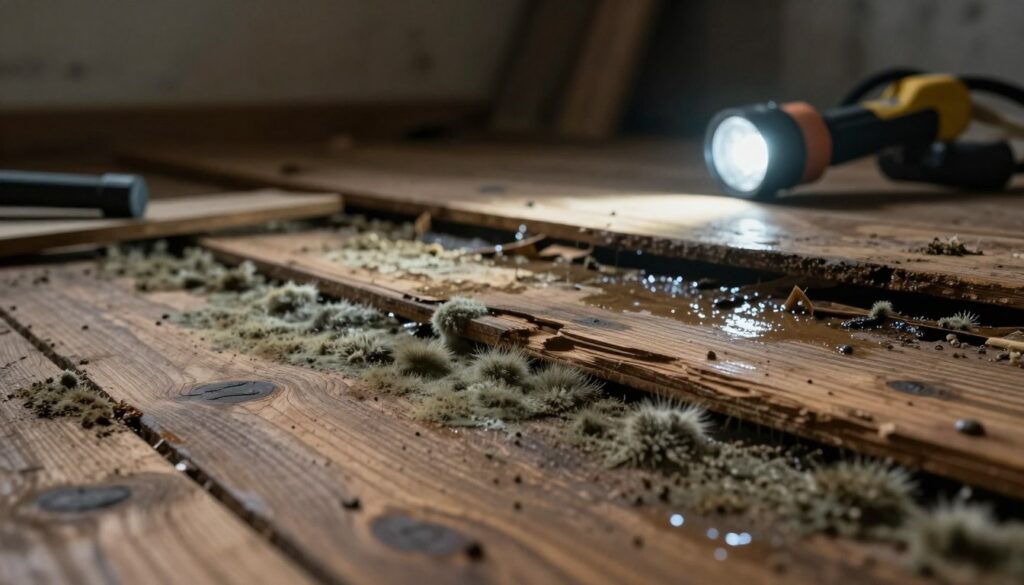
Identifying the signs of a severe mold infestation is crucial. These include extensive mold growth visible to the naked eye, a strong musty odor that persists despite cleaning, and health symptoms such as allergic reactions or respiratory issues among occupants. If you've experienced significant water damage or flooding, it's also wise to inspect for mold, as it can begin to grow within 24-48 hours.
The Professional Remediation Process
Professional mold remediation involves a thorough assessment of the affected area, containment of the mold to prevent spread, removal of the mold using specialized equipment, and restoration of the affected area. Professionals use HEPA vacuums, antimicrobial treatments, and ensure that the environment is safe for occupants post-remediation.
"Mold remediation is not just about removing the mold; it's about addressing the underlying moisture issue that caused it." - Environmental Protection Agency
Cost Considerations and Insurance Coverage
The cost of professional mold remediation can vary widely based on the extent of the infestation and the type of mold. On average, you can expect to pay between $500 to $6,000 or more. It's essential to check your insurance policy, as some may cover mold remediation if it's a result of a covered event like a burst pipe.
| Remediation Cost Factors | Low Estimate | High Estimate |
| Small Infestation | $500 | $1,500 |
| Large Infestation | $1,500 | $6,000 |
In conclusion, while DIY mold remediation is an option for small issues, severe mold infestations require professional attention to ensure thorough removal and prevention of future growth.
Replacing and Restoring Mold-Damaged Flooring
The process of replacing and restoring mold-damaged flooring involves several critical steps. You must first assess the extent of the damage to determine the best course of action. This assessment is crucial in preventing further damage and ensuring a successful restoration.
Assessing Structural Damage to Subfloors
Before replacing mold-damaged flooring, it's essential to inspect the subfloor for any structural damage. Moisture can weaken the subfloor, compromising its integrity. A thorough inspection will help identify any necessary repairs to ensure a stable base for the new flooring.
Key areas to inspect include:
- Signs of water damage or leaks
- Weak or rotting wood
- Warped or uneven surfaces
Selecting Mold-Resistant Replacement Materials
Choosing the right replacement materials is vital in preventing future mold growth. Mold-resistant materials can significantly reduce the risk of recurrence. Consider using materials treated with mold-inhibiting coatings or made from naturally mold-resistant substances.
| Material | Mold Resistance | Cost |
| Hardwood | Moderate | $$ |
| Laminate | High | $ |
| Porcelain Tile | Very High | $$$ |
Installation Best Practices to Prevent Future Issues
Proper installation is crucial in preventing future mold growth. Ensuring that the new flooring is installed correctly, with adequate ventilation and moisture control measures in place, can significantly reduce the risk of mold recurrence.
Best practices include:
- Using a moisture barrier under the flooring
- Ensuring adequate ventilation in the room
- Regularly inspecting for signs of moisture or water damage
Conclusion: Maintaining a Healthy, Mold-Free Home
Maintaining a mold-free home is crucial for the health and well-being of its occupants. As discussed, mold under the flooring can lead to various health issues and structural damage. By understanding the signs of mold and taking proactive measures, you can prevent its growth and ensure a healthy living environment.
Effective moisture control, proper ventilation, and regular inspections are key strategies in maintaining a mold-free home. You can use mold-resistant materials and treatments to further protect their homes. In cases where mold is detected, DIY remediation techniques or professional services can be employed to safely remove the mold.
By adopting these healthy home maintenance practices, you can safeguard your family's health and protect your investment. Regular maintenance and vigilance are essential in preventing mold growth and ensuring a safe, healthy home.
FAQ
What are the common signs of mold under flooring?
Common signs include visible mold growth, musty odors, warping or buckling of flooring, and unexplained allergic reactions or respiratory issues.
How does moisture accumulate under floors?
Moisture can accumulate due to water leaks, high humidity, poor ventilation, and flooding, creating an ideal environment for mold growth.
What are the health risks associated with mold exposure?
Exposure to mold can cause allergic reactions, respiratory issues, and other health problems, including chronic conditions like asthma and hypersensitivity pneumonitis.
Can I detect mold under flooring myself?
Yes, you can use DIY detection techniques and tools, such as moisture meters and infrared cameras, to identify potential mold issues.
When should I call a professional for mold remediation?
You should consider hiring a professional if you have a severe mold infestation, are unsure about the extent of the issue, or lack the necessary equipment and expertise.
How can I prevent mold under flooring?
Preventative measures include controlling moisture, ensuring proper ventilation, using mold-resistant materials, and addressing water issues promptly.
What are the best methods for cleaning mold from different flooring types?
The best cleaning methods vary depending on the flooring type, but generally involve using a solution of water and bleach or a specialized mold cleaner, and ensuring the area is thoroughly dried.
Can mold damage be restored, or does the flooring need to be replaced?
In some cases, mold-damaged flooring can be restored, but often it needs to be replaced, especially if the damage is extensive or the subfloor is affected.
Are there any mold-resistant flooring materials available?
Yes, there are mold-resistant materials, such as certain types of hardwood, laminate, and vinyl flooring, that are designed to withstand moisture and reduce the risk of mold growth.
How can I ensure that my home remains mold-free after remediation?
To maintain a mold-free home, regularly inspect for signs of moisture and mold, address any issues promptly, and implement preventative measures, such as proper ventilation and moisture control.